


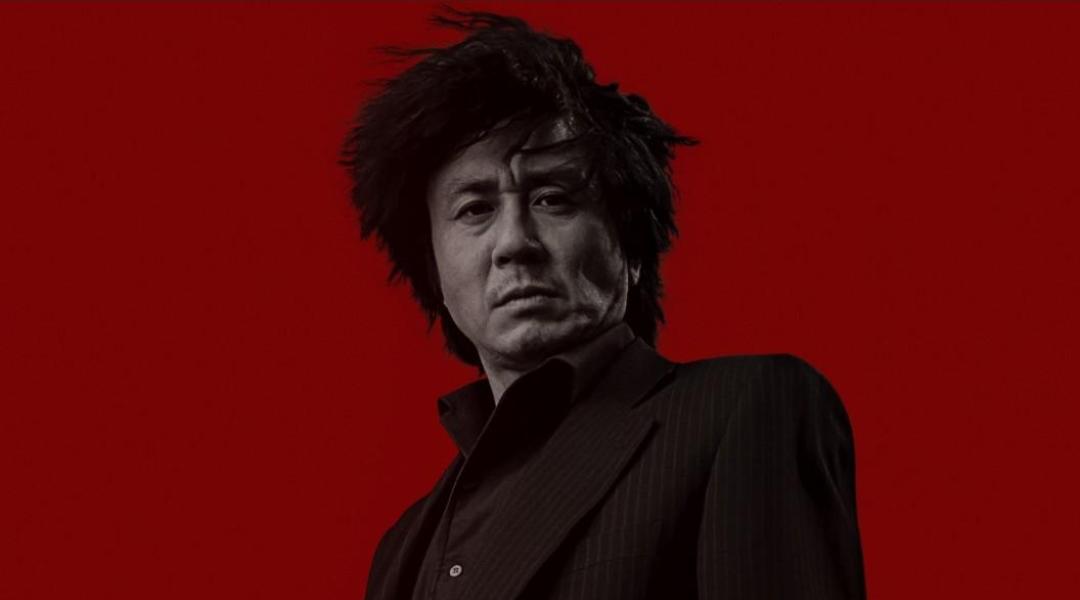
If you’re searching for a detailed Review of Old Boy, Park Chan-wook’s 2003 South Korean masterpiece is widely regarded as one of the greatest psychological thrillers ever made. Based on the Japanese manga of the same name, Oldboy delivers a haunting blend of mystery, action, emotional drama, and shocking twists that continue to influence filmmakers around the world. More than two decades after its release, the film remains a benchmark for revenge cinema thanks to its bold storytelling, unforgettable performances, and striking visual style.
Unlike conventional revenge stories, Oldboy explores the devastating psychological consequences of vengeance. It asks difficult questions about justice, guilt, forgiveness, and the destructive nature of obsession, making it much more than an ordinary thriller.
At the center of this Review of Old Boy is Oh Dae-su, an ordinary businessman whose life changes forever when he is mysteriously kidnapped and imprisoned in a private room for fifteen years without explanation. His only connection to the outside world is a television, through which he learns that he has been falsely accused of murdering his wife.
During his captivity, Dae-su trains his body and mind while desperately searching for answers. When he is suddenly released, he is given five days to discover why he was imprisoned and identify the person responsible. His search leads him into a labyrinth of secrets, manipulation, and devastating revelations that completely transform his understanding of reality.
The film carefully balances mystery and suspense, ensuring that each new discovery raises even more questions until the unforgettable conclusion.
One of the strongest aspects highlighted in any Review of Old Boy is Choi Min-sik’s extraordinary performance as Oh Dae-su. His portrayal captures the character’s transformation from an ordinary man into someone consumed by rage, grief, and desperation. Choi brings remarkable emotional depth to every stage of Dae-su’s journey, making viewers sympathize with him even as his actions become increasingly extreme.
Yoo Ji-tae delivers an equally memorable performance as Lee Woo-jin, one of modern cinema’s most fascinating antagonists. Rather than relying on physical intimidation, Woo-jin exudes calm confidence and psychological control. His motivations are gradually revealed, making him both unsettling and tragically human.
Kang Hye-jung also impresses as Mi-do, whose kindness and emotional connection with Dae-su provide moments of warmth amid the film’s darkness.
A thoughtful Review of Old Boy must acknowledge Park Chan-wook’s masterful direction. Every scene is meticulously crafted, combining stylish visuals with emotional intensity. Park’s storytelling never rushes its revelations, allowing suspense to build naturally while maintaining complete control over the audience’s emotions.
His direction transforms even quiet conversations into moments filled with tension. Rather than relying solely on violence, Park emphasizes psychological conflict, making the emotional impact even more powerful.
The film constantly challenges viewers’ expectations, refusing to follow traditional narrative conventions.
Visually, Oldboy is nothing short of extraordinary. The cinematography uses bold colors, dramatic lighting, and carefully composed framing to reflect the characters’ emotional states. Every shot feels purposeful, creating a unique visual identity that remains instantly recognizable.
Perhaps the film’s most iconic sequence is the famous hallway fight. Filmed in a single side-scrolling take, the scene demonstrates remarkable choreography and realism. Instead of presenting the protagonist as invincible, the fight highlights exhaustion, pain, and determination, making it one of the greatest action scenes ever filmed.
The use of mirrors, reflections, and confined spaces further reinforces themes of identity, imprisonment, and psychological isolation.
A meaningful Review of Old Boy should explore the film’s deeper themes. Revenge is the central focus, but Oldboy also examines memory, trauma, guilt, and the consequences of hidden truths.
The film asks whether revenge truly brings satisfaction or simply creates endless cycles of suffering. Both Dae-su and Woo-jin are trapped by their pasts, demonstrating that obsession ultimately destroys both victim and perpetrator.
Another important theme is identity. Years of isolation fundamentally change Dae-su, forcing him to question not only who imprisoned him but also who he has become.
The story also explores the destructive power of secrets. Small actions from the past create devastating consequences years later, illustrating how unresolved pain can shape entire lives.
The soundtrack plays a significant role in enhancing the film’s emotional impact. Classical influences blend with haunting orchestral compositions to create an atmosphere of melancholy and suspense.
Sound design is equally effective. Silence is often used to heighten tension before moments of shocking violence or emotional revelation. Rather than overwhelming viewers with loud effects, the film allows subtle sounds to create discomfort and anticipation.
One reason Oldboy continues to receive widespread acclaim is its fearless storytelling. Few films are willing to explore such morally complex territory while maintaining emotional authenticity.
The screenplay is tightly constructed, with every scene contributing to the larger narrative. The pacing keeps audiences engaged while carefully withholding crucial information until the perfect moment.
The emotional performances, unforgettable cinematography, philosophical themes, and unpredictable plot combine to create an experience unlike almost any other thriller.
An honest Review of Old Boy should also acknowledge that the film is not for everyone. Its graphic violence, disturbing subject matter, and emotionally intense themes can be difficult to watch.
Some viewers may find the final revelations deeply unsettling, while others may feel uncomfortable with the film’s moral ambiguity. Additionally, its slow, deliberate pacing may not appeal to audiences expecting a conventional action thriller.
However, these challenging elements are essential to the film’s artistic vision rather than unnecessary shock value.
Few international films have had the lasting influence of Oldboy. It helped introduce many global audiences to South Korean cinema and played an important role in establishing Park Chan-wook as one of the world’s most respected filmmakers.
Its influence can be seen in numerous psychological thrillers that followed, while the hallway fight sequence has inspired filmmakers across multiple genres. Although Hollywood produced an English-language remake in 2013, the original remains the definitive version and continues to receive universal acclaim.
Final Verdict
This Review of Old Boy concludes that Oldboy is one of the greatest psychological thrillers ever created. Through exceptional performances, masterful direction, unforgettable cinematography, and profound emotional depth, the film transcends the boundaries of the revenge genre.
It is a movie that challenges viewers emotionally, morally, and intellectually, rewarding careful attention with one of cinema’s most unforgettable experiences.
This is a Personal review of my own.
- What Works
Brilliant storytelling and direction
Powerful performances
Stunning cinematography
Intense emotional and psychological depth
Unforgettable twists and ending
Ratings:4.8/5 ⭐⭐⭐⭐⭐